








The VA Had One Microscope. She Stopped Waiting.
EXPERTS IN MOTION · INTERVIEWS
Dr. Eliana Saltzman on getting a wearable digital surgical microscope into the Durham VA Medical Center, and performing the first SurgiSight cases anywhere in the VA system.
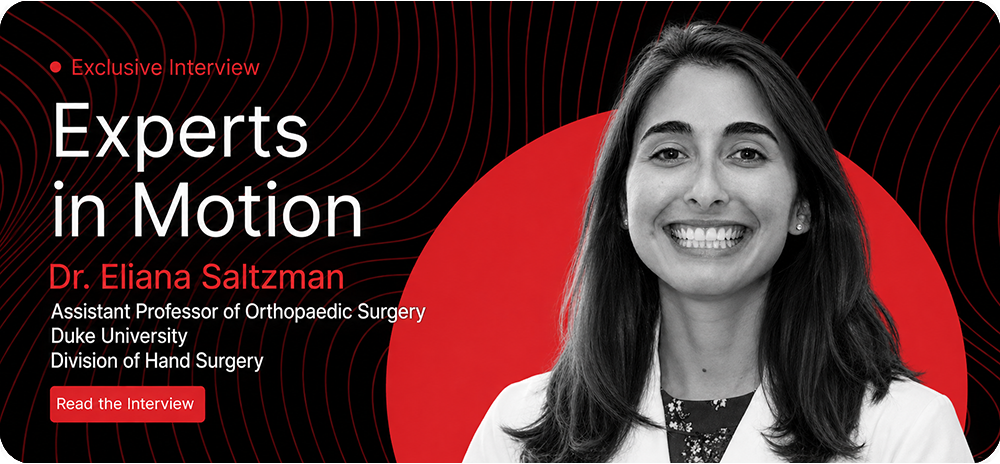
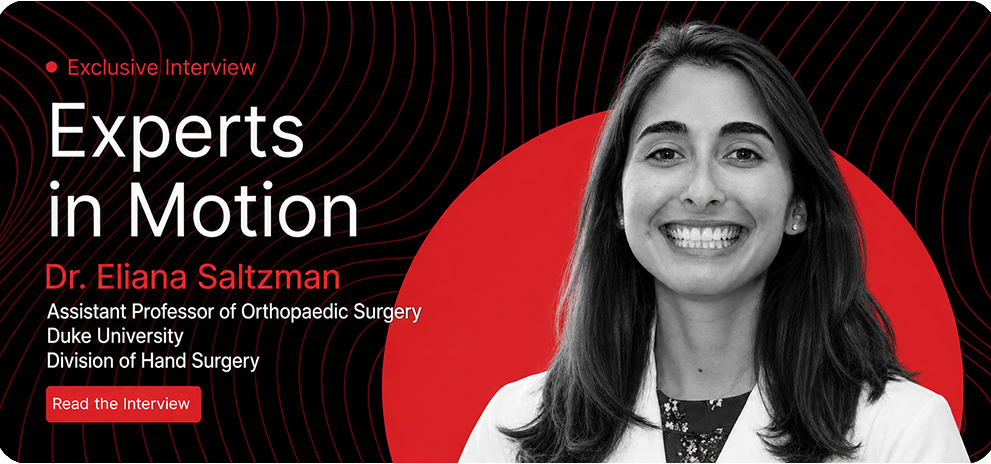
An Interview with Dr. Eliana Saltzman, Assistant Professor of Orthopaedic Surgery, Duke University, Division of Hand Surgery
Interviewed by Douglas Carroll, President & CEO, Unify Medical
September 2026 · A seven minute read
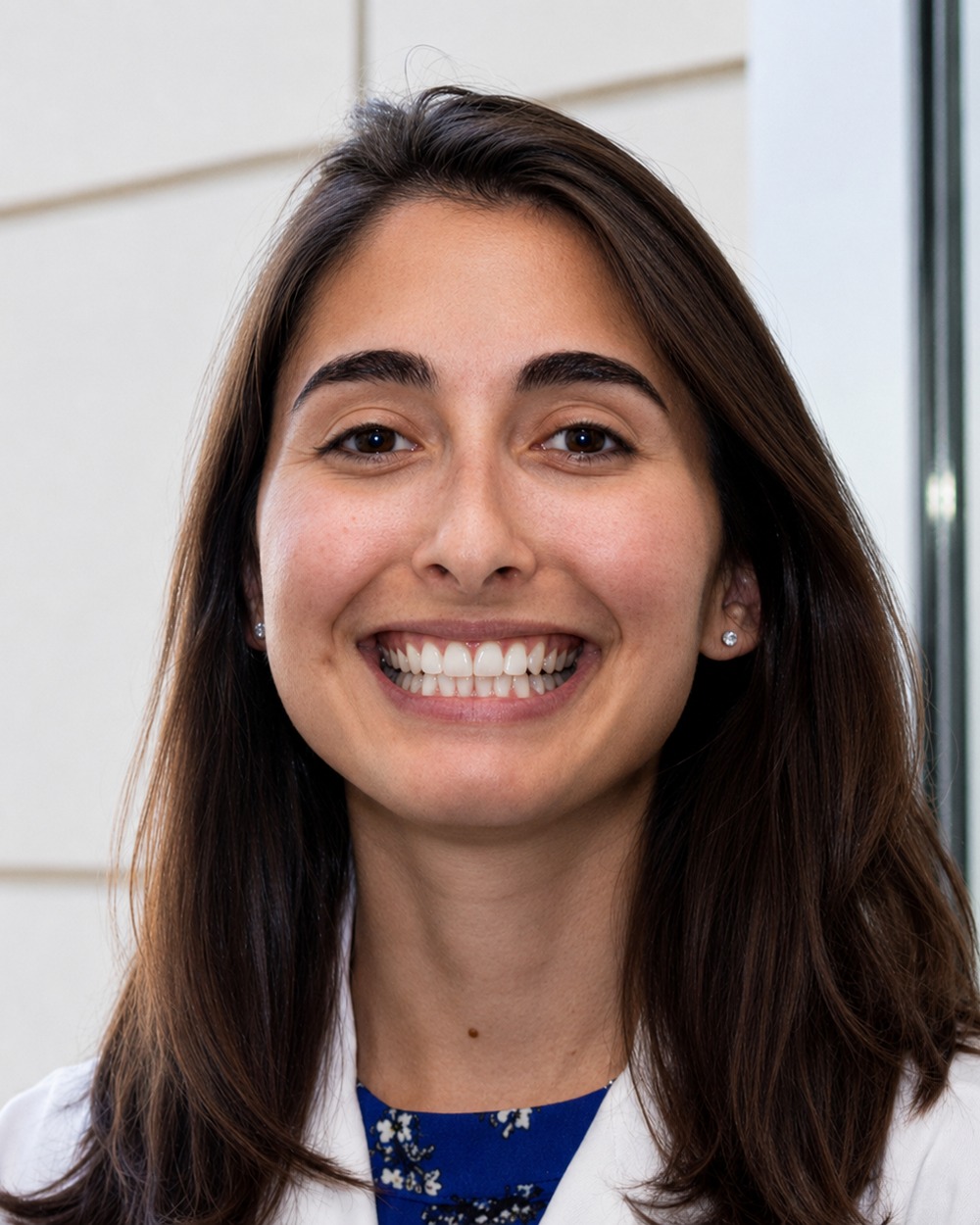
Dr. Eliana Saltzman is an Assistant Professor of Orthopaedic Surgery at Duke University, in the Division of Hand Surgery. Duke lists her across hand, upper extremity and peripheral nerve surgery, and she sees patients at Duke Orthopaedics Arringdon in Morrisville and Duke Sports Medicine and Orthopaedics in Cary, North Carolina.
She earned her medical degree at the Icahn School of Medicine at Mount Sinai, completed her orthopaedic surgery residency at Duke, and finished a hand and upper extremity fellowship at OrthoCarolina. She operates at Duke University Hospital and at the Durham VA Medical Center.
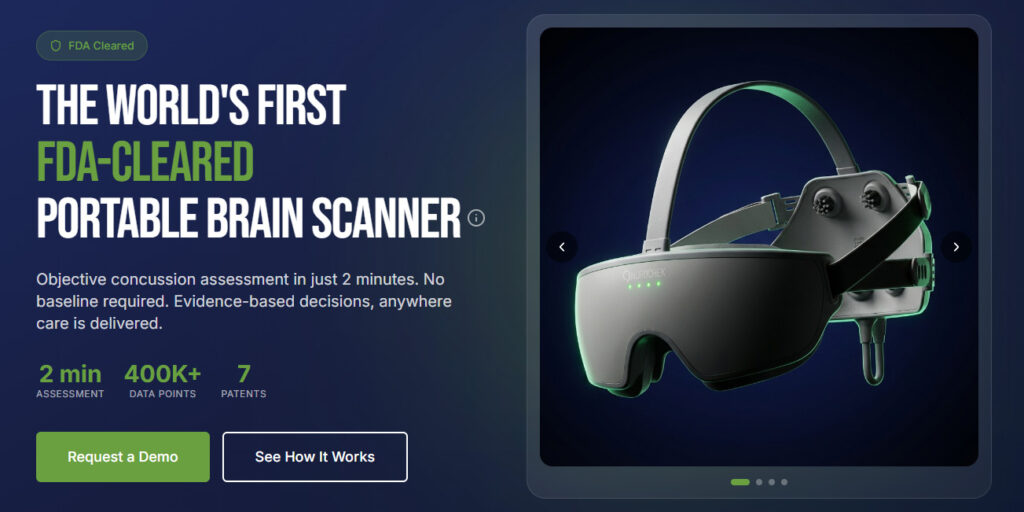
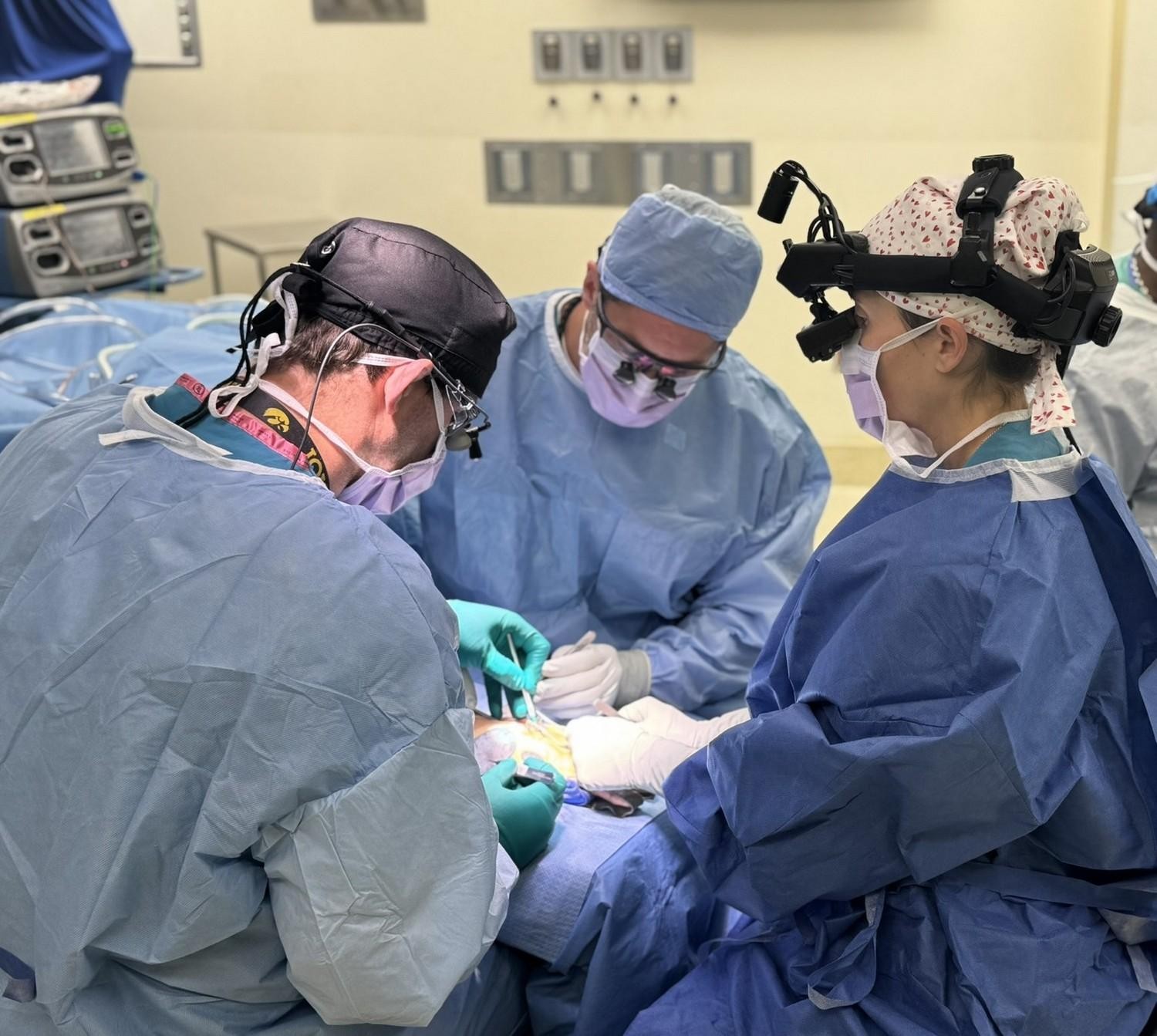
On July 16, 2026, Dr. Saltzman performed the first procedures using SurgiSight anywhere in the VA system. Getting the device into a VA operating room took persistence. Durham VA has one traditional operating microscope shared across every surgical subspecialty, which means coordination, scheduling conflicts, and cases that do not happen when someone else has the scope that day.
Douglas Carroll, President and CEO of Unify Medical, spoke with her about the ergonomics, the institutional argument she had to build, and what she wants other VA surgeons to know. This conversation captures Dr. Saltzman’s early clinical impressions, unfiltered.
From Surgical Loupes to a Wearable Microscope
By the numbers
170
VA medical centers nationwide
1
Shared operating microscope at Durham VA, across all subspecialties
2x to 8x
SurgiSight digital magnification range
Sources: Veterans Health Administration facility count, department.va.gov/vha/about-us · Dr. Saltzman, this interview · Unify Medical approved specifications, unifymedical.com/surgisight
Douglas: Dr. Saltzman, your first exposure to SurgiSight was at the Duke Nerve Course, a hands-on cadaveric learning environment rather than a sales presentation. Walk us through that moment. What specifically made you think “I need this for my patients”?
Dr. Saltzman: Honestly, my first instinct when I saw the device was skepticism. It looks substantial, and I assumed it would be uncomfortable and cumbersome to wear. I was completely wrong. What surprised me most was how quickly I adapted to it. There was essentially no learning curve, it is incredibly intuitive.
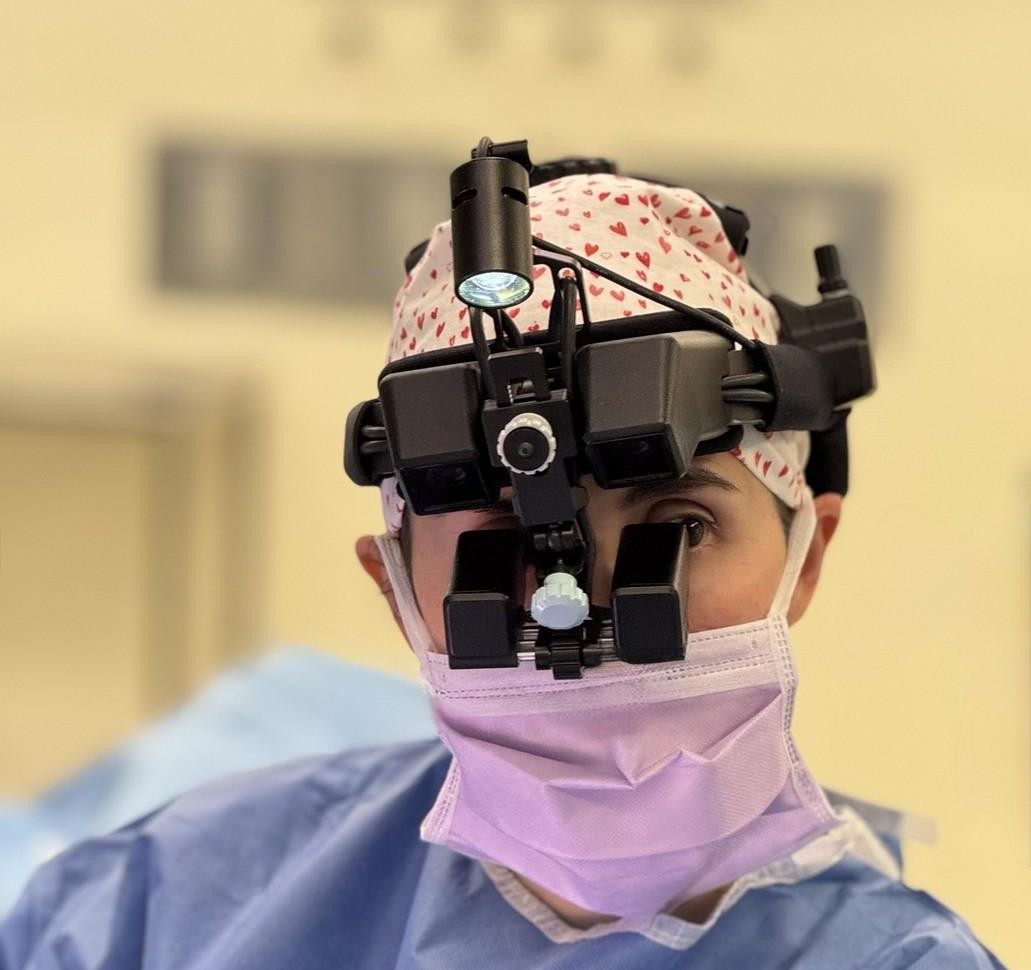
I typically wear 4.5x loupes with a headlamp, so I’m used to having weight concentrated at the front of my head. What I noticed immediately with SurgiSight is that the weight is much better distributed. It actually felt more comfortable than what I use every day.
But the real “I need this” moment came when I realized I could maintain my field of view regardless of how I was positioned. Anyone who’s operated with a traditional floor-standing microscope knows the frustration: you spend time carefully rolling it in, dialing in the perfect position, and then someone inadvertently bumps it and you’ve lost your field entirely. You’re suddenly repositioning all over. With SurgiSight, that problem simply doesn’t exist, the visualization moves with me. For peripheral nerve work, where precision and uninterrupted visualization are everything, that’s not a minor convenience. That’s a genuine clinical advantage.
“For peripheral nerve work, where precision and uninterrupted visualization are everything, that’s not a minor convenience. That’s a genuine clinical advantage.”
Building the Case Inside the VA
Douglas: SurgiSight did not simply arrive at Durham VA. You were instrumental in securing it. What did that journey look like, and why did you feel it was worth fighting for?
Dr. Saltzman: At the core of it, Veterans deserve the best possible care, full stop. That’s what drove me. But the practical reality at a VA is that you’re working within real institutional constraints, and SurgiSight actually addressed several of them at once, which made the case easier to build.
At Durham VAMC, we have one traditional operating microscope shared across multiple surgical subspecialties. That means coordination, scheduling conflicts, and cases that simply can’t happen if someone else has the scope that day. Acquiring a second traditional microscope isn’t realistic, the cost is prohibitive. SurgiSight offered a way to solve the access problem at a fraction of that cost.
There’s also the physical infrastructure to consider. Some of our ORs are small, a traditional floor-standing microscope just doesn’t fit comfortably in every room, and that creates yet another variable I have to plan around before I even think about the patient in front of me. With SurgiSight, the OR assignment stops being a barrier. I can schedule cases the way I normally would, in whatever room is available, without asking “Is the microscope free? Will it even fit in that room?”
And beyond my own practice, it’s a device that lends itself to multiple surgical subspecialties, so the institutional value extends well beyond peripheral nerve surgery. When I put all of that together: better care for Veterans, solved access problem, lower cost than a second scope, and flexibility across the OR environment, it wasn’t a hard case to make. It just took persistence to see it through.
“Veterans deserve the best possible care, full stop. That’s what drove me.”
The First SurgiSight Cases in the VA System
Douglas: On July 16th you performed the first SurgiSight procedures in the history of the Veterans Affairs Medical Center system. How does it feel to know you’re advancing the level of care in such a significant way for that highly respected and deserving patient population?
Dr. Saltzman: It’s genuinely one of the best feelings. Veterans have sacrificed enormously, and they deserve access to the most advanced care we can offer, not a second-tier experience because of institutional or budgetary constraints. Being the first in the entire VA system to bring this technology to that patient population is something I’m really proud of.
What makes this particularly meaningful is that it wasn’t just about using a cool new device. It was about expanding what’s possible for these patients, better visualization means better repairs, and better repairs mean better functional outcomes. For someone who may have a nerve injury affecting their ability to use their hand or return to work, that difference is real and lasting.
I hope this is just the beginning. Continuing to bring emerging technology into the VA and pushing for the best possible standard of care for this population, that’s something I feel a real sense of responsibility toward, and July 16th was a meaningful step in that direction.
“They deserve access to the most advanced care we can offer, not a second-tier experience because of institutional or budgetary constraints.”
Carpal Tunnel Release, and the Cases That Surprise You
Douglas: Carpal tunnel release is one of the highest-volume procedures in hand surgery. Some surgeons might argue that it’s routine enough that enhanced visualization isn’t necessary. What’s your answer to that?
Dr. Saltzman: I’d largely agree with that, the vast majority of carpal tunnel releases are straightforward, and for a routine primary case in a healthy patient, enhanced visualization isn’t a necessity. But hand surgery has a way of humbling you, and it’s the unexpected moments where having that capability changes everything.
Take the patient with a trans-ligamentous recurrent motor branch. You go in expecting a standard release, and suddenly you’re wrong. In that moment, you want every advantage available: precise visualization, higher magnification, the ability to carefully dissect around a structure that, if injured, would be devastating to that patient’s hand function.
Or consider the revision carpal tunnel, the patient who’s had a prior release and you’re entering a field of dense scar tissue. Nerve and scar tissue can look remarkably similar, in those cases, being able to quickly dial up the magnification without any added OR complexity is a genuine clinical asset.
That’s what I appreciate about having SurgiSight available. You don’t always need it. But when you do, it’s already there.
“You don’t always need it. But when you do, it’s already there.”
Peripheral Nerve Surgery, Research and Teaching at Duke
Douglas: You are an Assistant Professor of Orthopaedic Surgery at Duke, building your career, your research agenda and your clinical identity at the same time. Where does SurgiSight fit in that picture? Is this something you see as a platform for research, a teaching tool, a clinical standard, or some combination?
Dr. Saltzman: For me, SurgiSight fits naturally into all three dimensions of an academic surgical career. On the clinical side, I believe this has the potential to become a standard of care for peripheral nerve surgery, the access, portability, and consistency of visualization directly affect patient outcomes, and having that magnification reliably available regardless of which room I’m in or whether a scope happens to be free is fundamental to operating at the highest level every time. From a research standpoint, there are genuinely important questions to ask here. There are prospective clinical studies waiting to be done, comparing quality of repair, frequency of utilization, and time to identification of small donor nerves between various devices.
The teaching component is equally exciting. The streaming and recording capabilities coming with the next generation of the device are transformative for surgical education, getting a resident or fellow truly into your visual field during a micro case has always been a challenge, and if I can share exactly what I’m seeing in real time, that changes the learning experience entirely. At Duke, where training the next generation of surgeons is core to our mission, that matters enormously.
Editor’s note: the streaming and recording capabilities Dr. Saltzman describes here are planned for a future generation of the device. They are not part of the current release.
“Having that magnification reliably available, regardless of which room I’m in, is fundamental to operating at the highest level every time.”
What She Wants Other VA Hand Surgeons to Know
Douglas: There are 170 VA medical centers in this country. You just became the first surgeon to use SurgiSight in any of them. If the Chief of Hand Surgery at a VA in Houston or Seattle or Los Angeles is reading about your initial experience, what do you want them to know?
Dr. Saltzman: The first thing I want them to know is that the barrier to adoption is lower than they might expect, I was up and running quickly, and it integrated into my workflow without disruption. From a practice standpoint, the advantages at a VA are hard to overstate: one shared microscope across multiple subspecialties, scheduling conflicts, ORs that can’t always accommodate a floor-standing scope, SurgiSight removes all of that friction entirely. I can schedule cases the way I normally would, in whatever room is available, without asking whether the scope is free or whether it will even fit, all while delivering the quality of visualization that our Veterans deserve. I’d strongly encourage any VA hand surgeon to look closely at this device.
“SurgiSight removes all of that friction entirely, while delivering the quality of visualization that our Veterans deserve.”
Final Thoughts: Douglas Carroll
I have sat in a lot of operating rooms watching surgeons work around their equipment instead of with it. What Dr. Saltzman describes at Durham VA is the exact constraint SurgiSight was built to remove. One scope, many subspecialties, and a surgical schedule bent around whoever gets it that day.
What stays with me from this conversation is that she did not wait for permission to solve it. She built the institutional case herself, and on July 16th she became the first surgeon anywhere in the VA system to operate with the device. Veterans got it first. That is the right order.
She is also clear about what we do not know yet. The prospective studies she describes have not been done, and we want them done. If you are a hand or peripheral nerve surgeon inside the VA and you want to look at this closely, we will make that straightforward.
Related reading
- The Microscope Is in Another Room. Again.Dr. Kevin Malone on the same magnification constraint, seen from inside a hospital division.
- SurgiSight product specificationsUnify Medical’s published specifications, including the 2x to 8x digital magnification range.
- Dr. Eliana Saltzman, Duke HealthHer Duke Health profile, listing hand, upper extremity and peripheral nerve surgery.
- Unify Medical named top healthtech presenter at ConvergeSouth 2026Wire release, September 8, 2026.
To learn more about Unify Medical and the SurgiSight device, visit unifymedical.com.
Visit Unify Medical